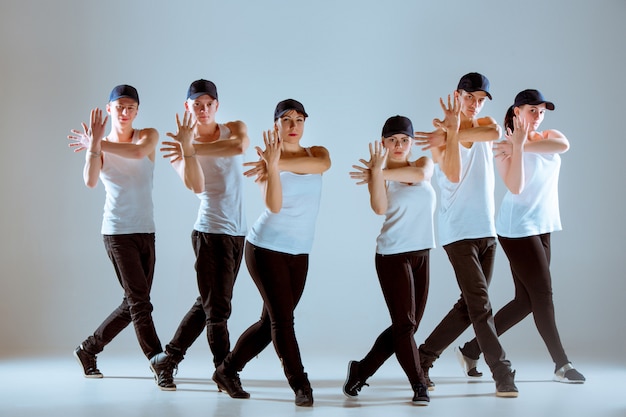
Dance is more than just movement; it is a deeply personal and powerful form of self-expression. Across cultures and throughout history, people have used dance to convey joy, sorrow, love, and triumph. The connection between dance and emotions is undeniable, making it one of the most profound ways to communicate without words.
The Emotional Language of Dance
Every gesture, every step, and every rhythm carries meaning. A simple sway can embody longing, while an explosive jump might signify uncontainable excitement. This intricate relationship between dance and emotions allows performers to tell stories that resonate with audiences on an instinctual level. Whether it’s the melancholic grace of a ballet or the raw energy of a hip-hop routine, dance transforms feelings into visible art.
Expressing Through Movement
In a world that often struggles to articulate complex feelings, expressing through movement provides an unfiltered outlet for the soul. Dance has the power to bridge cultural and linguistic barriers, uniting people in a shared experience of rhythm and motion. From the deliberate precision of contemporary dance to the free-spirited nature of freestyle, movement serves as a mirror reflecting the depths of human emotion.
Dance as Communication
Beyond personal expression, dance as communication plays a vital role in storytelling and tradition. Indigenous dances preserve ancestral narratives, while theatrical performances use choreography to advance a plot. Even in casual settings, spontaneous dance can be an unspoken dialogue between friends, partners, or strangers. Through movement, dancers can convey messages that words may fail to capture.
What Moves You?
At the heart of every dance is the question: what moves you? Is it the pulse of a drum, the melody of a song, or the emotions surging within? Each dancer finds inspiration in different places, whether in nature, music, or personal experiences. Understanding what ignites movement within you can unlock a deeper connection to dance, allowing it to become an extension of your inner world.
The Transformative Power of Dance
Beyond self-expression, dance has the capacity to heal. Many forms of dance therapy help individuals process trauma, release tension, and cultivate joy. The act of moving in harmony with music has been shown to reduce stress, enhance mood, and improve overall well-being. In this way, dance is not only an artistic endeavor but also a means of emotional and physical restoration.
Final Thoughts
Dance is a universal language, a form of storytelling, and an emotional release. It allows people to connect, communicate, and explore the depths of their emotions in a way that words often cannot. Whether you’re a seasoned dancer or someone who simply enjoys moving to music in the privacy of your room, embrace the power of dance and discover what moves you.