Art and technology have always shared a dynamic relationship, evolving together to push the boundaries of human creativity. Today, this synergy is more evident than ever, as artists embrace digital tools to reimagine the way we create, experience, and interact with art. From cutting-edge digital art advancements to the rise of AI in creativity, technology is reshaping the artistic landscape in ways that were once unimaginable.
1. The Fusion of Art and Technology: A New Creative Frontier
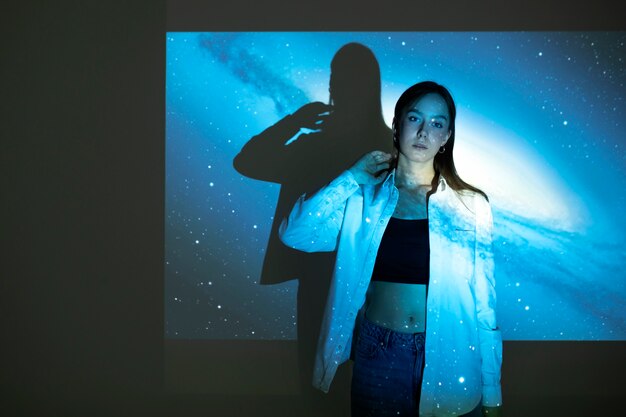
The fusion of art and technology has transformed artistic expression into a multidimensional experience. Traditional painting, sculpture, and installations are no longer confined to physical spaces; instead, they now exist in immersive digital environments. Technology is empowering artists to break free from conventional limitations, allowing them to create interactive and ever-evolving pieces.
One of the most exciting developments in this space is generative art, where algorithms and artificial intelligence work alongside human creativity to produce unique, evolving visuals. This has given rise to entirely new artistic genres, where the artist becomes a coder, and the brushstrokes are lines of code.
2. Digital Art Advancements: The Next Chapter in Visual Innovation
The rise of digital art advancements has paved the way for unprecedented artistic exploration. No longer restricted to canvas and paint, artists now have an array of digital tools at their disposal, from sophisticated software like Procreate and Adobe Creative Suite to 3D modeling programs that bring depth and realism to digital creations.
NFTs (non-fungible tokens) have also played a crucial role in revolutionizing the digital art market. These blockchain-backed assets provide artists with new ways to monetize their work while ensuring authenticity and ownership rights. Despite fluctuating trends in the NFT space, its impact on digital art remains profound, bridging the gap between technology and artistic value.
Furthermore, augmented reality (AR) is changing how people interact with art. Museums and galleries are incorporating AR experiences that allow visitors to engage with artwork on an entirely new level, bringing static pieces to life through animation, sound, and interactive elements.
3. AI in Creativity: Collaboration Between Humans and Machines
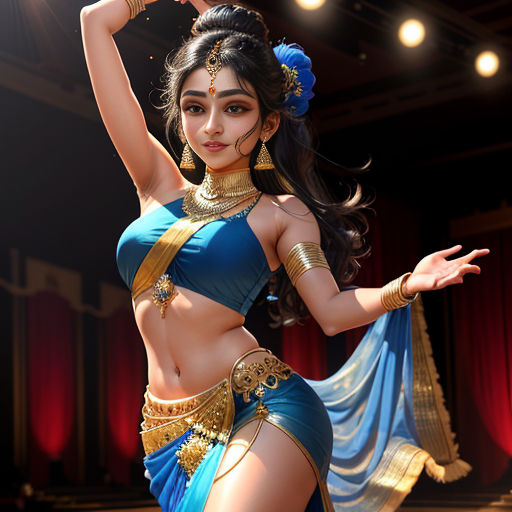
The presence of AI in creativity is perhaps one of the most fascinating advancements in the modern art world. Artificial intelligence is no longer just a tool for automation—it has become a creative partner. AI-powered programs like DALL·E and MidJourney can generate stunning, thought-provoking artworks in mere seconds based on simple text prompts.
However, this raises intriguing questions about the role of the artist in a world where machines can produce high-quality art. While some fear AI will replace human creativity, others see it as an extension of artistic potential. AI can analyze vast amounts of artistic data, learn different styles, and assist artists in conceptualizing new ideas they may not have thought possible. The key lies in collaboration—where human intuition and emotion meet machine intelligence to produce groundbreaking works.
AI is also revolutionizing art restoration, helping museums restore centuries-old paintings with remarkable precision. By analyzing an artist’s original technique, AI can reconstruct missing details, ensuring historical accuracy while preserving artistic intent.
4. Virtual Reality in Art: Entering the Next Dimension
With the advent of virtual reality in art, the way we experience art is undergoing a dramatic transformation. VR technology allows artists to create fully immersive worlds where viewers can step inside a painting, explore a digital sculpture, or even collaborate with artists in real-time across the globe.
VR art galleries are becoming increasingly popular, offering global audiences access to exhibitions without the constraints of physical space. Platforms like VRChat and Spatial enable users to visit virtual art spaces where they can admire and purchase digital pieces, interact with artists, and even participate in live art events.
One of the most striking examples of VR art is Tilt Brush, a 3D painting tool that allows artists to “paint” in a virtual space using motion controllers. This innovative approach to digital painting redefines artistic expression, transforming simple strokes into dynamic, three-dimensional experiences.
5. The Future of Art and Tech: Where Are We Headed?
The intersection of art and technology is only beginning to unfold. As digital tools become more sophisticated, artists will continue to explore new mediums that blend the physical and virtual worlds. The future may see advancements in holographic art, AI-powered curators in museums, and even brain-computer interfaces that allow artists to create works using only their thoughts.
While some may view technology as a disruption to traditional art forms, it is, in reality, an expansion of artistic possibilities. By embracing these advancements, the art world is stepping into an era of limitless creativity—where human imagination and digital innovation work hand in hand to shape the future of artistic expression.