


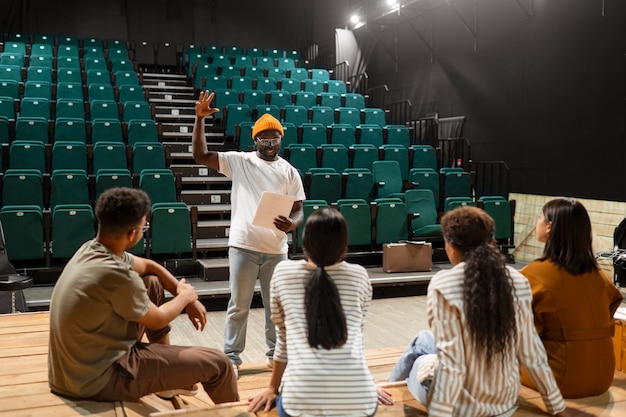
Stage performances have always been a captivating reflection of society, bridging the gap between tradition and modernity. Across the globe, theater, dance, and other live performances are enriched by the unique customs, histories, and artistic expressions of different cultures. This blending creates dynamic shows that captivate audiences and celebrate cultural diversity in theater.
The Role of Cultural Influences in Theater
From vibrant costumes to storytelling techniques, culture shapes every element of a performance. For example, traditional Japanese Noh theater emphasizes minimalism and poetic expression, while West African drumming and dance performances are energetic celebrations of rhythm and communal connection. These distinct styles demonstrate how global performing arts are both rooted in local heritage and adaptable to international tastes.
Cultural elements also manifest in language, stage design, and musical composition. A bilingual play may fuse storytelling techniques from two different traditions, making it accessible to a broader audience. By incorporating these elements, productions create an inclusive space where diverse backgrounds converge.
Tradition Meets Innovation
Many stage shows strike a delicate balance between preserving tradition and embracing innovation. Classic folk dances, such as India’s Bharatanatyam or Spain’s Flamenco, are often reimagined through contemporary choreography. This modern twist keeps traditions alive while attracting younger generations.
The enduring appeal of tradition in stage performances is evident in operas and historical plays, where directors experiment with multimedia elements to recontextualize ancient tales for a tech-savvy audience. This fusion of old and new breathes life into performances, making them timeless yet relevant.
Cultural Narratives in Storytelling
Storytelling lies at the heart of performing arts. Different cultures bring unique perspectives that influence the themes explored on stage. Indigenous performances often center on ancestral wisdom and environmental connections, while Latin American theater may delve into social justice issues.
By spotlighting diverse narratives, stage shows not only entertain but also educate audiences about global issues and cultural values. This helps break down stereotypes and fosters a deeper understanding of our shared humanity.
Dance as a Universal Language
Dance transcends linguistic barriers, making it one of the most powerful expressions of cultural identity. From the graceful movements of Chinese classical dance to the high-energy footwork of Irish step dancing, worldwide dance styles showcase a spectrum of emotions and stories.
Fusion dance performances are becoming increasingly popular, blending elements from various traditions to create mesmerizing shows. Imagine a production that combines hip-hop with traditional African dance or ballet with Latin-inspired moves. The result is a vibrant celebration of creativity and cultural exchange.
Global Collaborations in Performing Arts
As the world becomes more interconnected, collaborations between artists from different cultural backgrounds are flourishing. International theater festivals and touring productions provide a platform for these creative exchanges.
These collaborations often lead to groundbreaking performances that challenge artistic conventions and celebrate the beauty of diversity. By bringing together different perspectives, artists push the boundaries of what’s possible on stage.
The Impact of Cultural Exchange
Cultural exchange in performing arts goes beyond entertainment. It fosters empathy, understanding, and appreciation for different ways of life. When audiences witness a show that incorporates elements from various cultures, they are reminded of the interconnectedness of humanity.
Moreover, these performances often inspire artists to explore new creative avenues, resulting in innovative productions that captivate audiences worldwide.
The influence of diverse cultures on stage shows is a testament to the power of artistic expression. As global performing arts continue to evolve, they will undoubtedly remain a reflection of the world’s rich tapestry of traditions and ideas. Whether it’s through storytelling, dance, or collaborative performances, the stage will always be a space where cultures come together to create something truly magical.
By celebrating cultural diversity in theater and embracing the beauty of worldwide dance styles, performing arts will continue to inspire, educate, and connect people across the globe.


