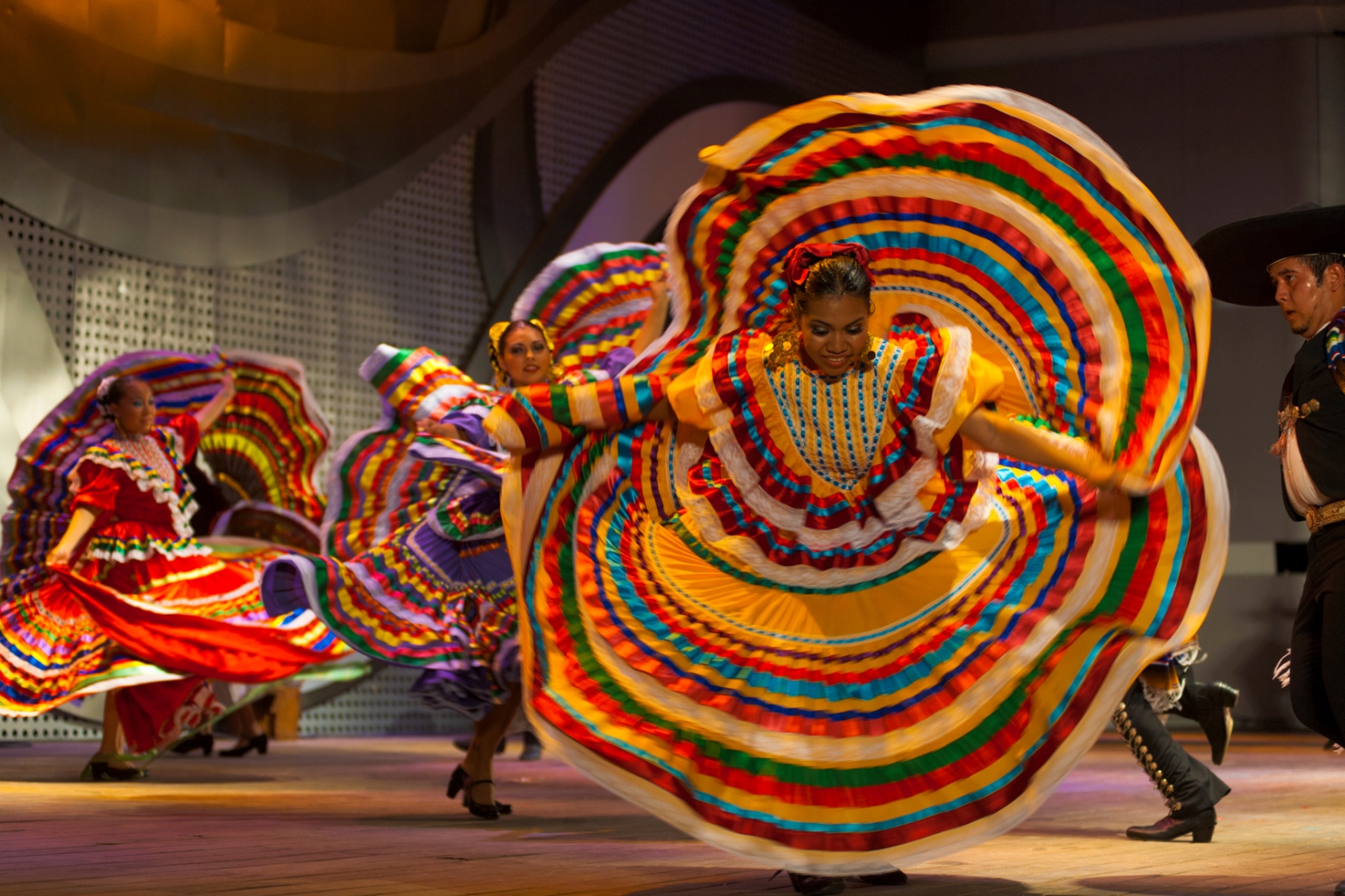
Dance is a universal language. It transcends borders, speaks beyond words, and unites people from all walks of life. Whether it’s a lively samba in Brazil, an intricate kathak performance in India, or a powerful African tribal dance, movement has always been a means of expression and connection. The beauty of dance across cultures lies in its ability to foster unity, celebrate diversity, and create an unbreakable bond between individuals.
A Universal Language Without Words
Unlike spoken languages, which vary from region to region, dance relies on movement, rhythm, and emotion. No translation is needed. A simple gesture, a coordinated step, or an energetic leap can communicate joy, sorrow, love, or triumph. Across history, different societies have used dance as a way to tell stories, honor traditions, and celebrate significant moments.
One of the most striking aspects of global dance traditions is how they can bridge gaps between people who might not share the same tongue. A flamenco dancer in Spain can captivate an audience in Japan. A ballet performance in France can leave a lasting impression on a spectator from Argentina. In every corner of the world, dance speaks to the soul, transcending differences and uniting people through a shared appreciation of movement and artistry.
The Cultural Tapestry of Dance
Each culture has its own unique dance traditions, yet they often share common themes—love, community, spirituality, and identity. Traditional Hawaiian hula tells stories of the land and the ancestors. Native American powwow dances serve as a tribute to heritage and unity. The passionate moves of Argentine tango reflect emotions of longing and connection. These examples highlight the cultural impact of dance, showcasing how it preserves history while continuing to evolve.
In many societies, dance is deeply intertwined with rituals and celebrations. Weddings, festivals, and rites of passage often feature dances that bring entire communities together. The whirling dervishes of Turkey, for instance, perform their mystical Sufi dance as a form of spiritual devotion. Meanwhile, in the Caribbean, the rhythmic beats of reggae and dancehall bring people together in celebration, reinforcing the communal aspect of dance.
Dance as a Bridge Between Communities
In an increasingly globalized world, cultural exchange happens more frequently than ever before. Dance plays a crucial role in fostering mutual understanding and appreciation. When people from different backgrounds share their traditional dances, they invite others to experience their history and values firsthand. This fosters deeper connections and breaks down cultural barriers.
International dance festivals and competitions showcase a dazzling variety of styles, drawing performers and audiences from all over the world. Events like Carnival in Brazil, the Edinburgh Festival Fringe, and the Bali Arts Festival allow people to witness and engage in global dance traditions firsthand. These experiences create lasting impressions, leaving participants with a newfound appreciation for different cultures.
The Role of Dance in Social Movements
Beyond entertainment and celebration, dance has been a powerful tool for activism and social change. From the Charleston dances of the Roaring Twenties, which symbolized a break from conservative norms, to the powerful krumping and hip-hop movements used in protests today, dance has often been a form of resistance and self-expression.
In South Africa, during apartheid, the “toy-toyi” dance became a symbol of defiance and unity among protestors. Similarly, capoeira, a blend of dance and martial arts, emerged in Brazil as a way for enslaved people to maintain their culture while resisting oppression. These examples illustrate how dance unites people not just in joy but also in struggles for justice and freedom.
Dance and the Digital Age
With the rise of social media and digital platforms, dance is reaching new audiences like never before. Viral dance challenges, TikTok trends, and online dance tutorials are allowing people from different corners of the world to engage with and learn about diverse dance styles.
Now, someone in Sweden can master an Afrobeat dance from Nigeria, while a person in South Korea can try out salsa moves from Cuba. This accessibility has made dance across cultures more dynamic and interactive, fostering an even greater sense of global connection.
The Future of Dance as a Unifying Force
As the world continues to evolve, so too does dance. Cross-cultural collaborations are becoming more frequent, blending traditional styles with contemporary innovations. Ballet companies are incorporating hip-hop influences, while indigenous dance forms are finding their way into modern choreography. These artistic fusions demonstrate how dance unites people by embracing differences while celebrating shared movement.
In times of division, dance remains a powerful reminder of what connects humanity. It is an art form that invites participation, encourages self-expression, and fosters understanding. Whether performed on grand stages or in the streets, whether it is centuries-old or a newly emerging style, dance will always serve as a bridge between cultures, bringing people together in the most profound and joyful ways.