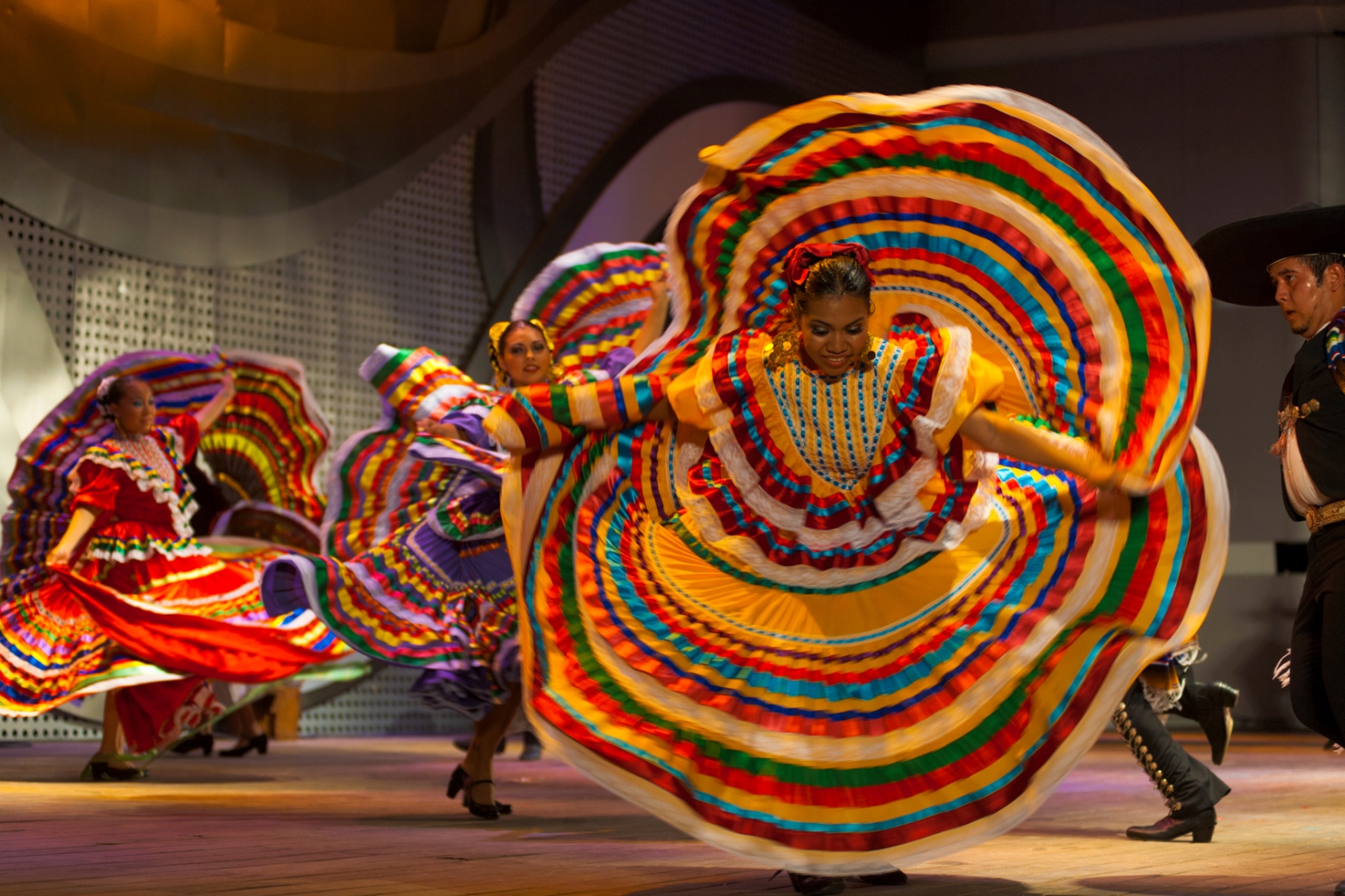
Visual art has the remarkable ability to transcend language, culture, and time. It speaks directly to the heart, evoking emotions, sparking ideas, and igniting change. Whether through a vivid painting, a thought-provoking sculpture, or an intricate digital composition, art shapes our perception of the world. The power of artistic expression lies in its ability to connect deeply with individuals, offering a mirror to society and a window into the artist’s soul.
The Universal Language of Art
Art is a language that requires no words. Across centuries and civilizations, visual arts have told stories of triumph, tragedy, revolution, and peace. From the cave paintings of prehistoric humans to the bold street murals of modern activists, art has documented history and shaped culture.
Through brushstrokes, colors, and forms, artists communicate complex emotions and ideas that might be difficult to express through speech or writing. This is why visual arts inspire—they allow us to see the world through someone else’s eyes, fostering empathy and understanding.
Emotional and Psychological Impact
A single painting can stir deep emotions. A sculpture can leave an indelible mark on the soul. Colors, textures, and compositions influence our moods, evoking joy, nostalgia, or even discomfort.
Art therapy is a testament to this phenomenon. Creating and experiencing visual art has been proven to reduce stress, improve mental clarity, and provide a sense of catharsis. This is because art taps into the subconscious, allowing individuals to process emotions in a nonverbal yet deeply personal way. The therapeutic potential of visual arts further highlights the power of artistic expression as a tool for healing and self-discovery.
The Role of Art in Social Change
Throughout history, visual arts have played a pivotal role in driving social change. Whether through politically charged street art, emotionally gripping photography, or symbolic paintings, artists have used their craft to challenge norms, question authority, and demand justice.
Consider Picasso’s Guernica, a haunting depiction of the horrors of war. Or Banksy’s satirical graffiti, which critiques social and political issues with a blend of humor and defiance. These works provoke thought and conversation, compelling society to reflect and take action. This is why visual arts inspire—they have the power to ignite revolutions, influence opinions, and leave an everlasting imprint on the collective consciousness.
Connecting Through Creativity
One of the most profound aspects of visual arts is their ability to unite people. Regardless of nationality, background, or beliefs, art brings individuals together through shared experiences and interpretations.
Art galleries, street murals, and online platforms serve as communal spaces where people engage with creative works, sparking dialogue and exchanging perspectives. Collaborative projects, such as community murals or participatory art installations, further reinforce the idea of connecting through creativity—a reminder that art belongs to everyone and is shaped by collective experiences.
The Search for Meaning in Visual Arts
Art is subjective. What one person sees as a chaotic abstraction, another may perceive as an emotional masterpiece. The beauty of art lies in its ambiguity—the ability to find personal resonance in a piece that may have been created with an entirely different intent.
This open-ended interpretation is what gives art its depth. The meaning in visual arts is often not fixed but fluid, evolving with time, context, and the observer’s own experiences. A painting viewed in childhood may evoke nostalgia when revisited years later. A sculpture that once seemed mundane may suddenly appear profound in a new cultural or historical context.
For artists, the process of creation is just as significant as the final piece. Each stroke, carving, or digital layer carries intention, emotion, and personal narrative. Some artists deliberately leave their work open to interpretation, while others embed symbols and hidden messages, inviting viewers to decode the deeper meanings.
The Influence of Visual Arts in the Digital Age
With the rise of digital media, visual arts have become more accessible than ever before. Social media platforms, virtual galleries, and NFT marketplaces allow artists to share their work with global audiences instantly. Digital tools have also expanded creative possibilities, enabling artists to blend traditional techniques with cutting-edge technology.
Augmented reality (AR) and virtual reality (VR) now offer immersive artistic experiences, while artificial intelligence (AI) generates thought-provoking artworks that challenge the very definition of creativity. Despite these advancements, the essence of art remains unchanged—it continues to be a powerful medium for self-expression, storytelling, and human connection.
Art is not just decoration. It is emotion, history, activism, and storytelling woven into color and form. The power of artistic expression lies in its ability to evoke deep emotions, spark conversations, and bridge cultures. This is why visual arts inspire—they allow us to connect, to question, and to dream.
Whether through a centuries-old painting or a digital artwork posted online, the impact of visual arts is undeniable. It is a force that shapes minds, shifts perspectives, and influences the very fabric of society. So, the next time you find yourself captivated by a piece of art, take a moment to reflect. You are witnessing a timeless dialogue—one that continues to evolve, inspire, and connect us all.