The Alchemy of Imagination: Turning Blank Canvases into Soulful Masterpieces
Every blank canvas holds a universe of untapped potential, waiting for the spark of imagination to transform it into something extraordinary. The process of creating art is not merely about filling space with color or form—it is an alchemical journey where intangible ideas crystallize into tangible expressions of the soul. Whether you are a seasoned artist or a curious beginner, the act of turning a plain surface into a masterpiece is a deeply personal and transformative experience. This article explores the magic behind this transformation, delving into the role of imagination, the tools that shape it, and the mindset that nurtures it into fruition.
The Canvas as a Portal to the Unknown
At first glance, a blank canvas may seem like an absence—an empty expanse devoid of meaning. Yet, in the hands of an imaginative creator, it becomes a portal to the unknown, a silent invitation to explore the depths of the mind and heart. The emptiness is not a void but a fertile ground, ready to be cultivated with ideas, emotions, and stories. Artists throughout history have understood this paradox: that the absence of structure is not a limitation but a starting point for infinite possibilities.
Consider the works of abstract expressionists like Jackson Pollock, whose chaotic drips and splatters emerged from a place of raw intuition. Or the serene landscapes of Monet, where light and color coalesced into fleeting moments of beauty. In each case, the blank canvas was not a barrier but a collaborator, an unspoken partner in the creative process. This dynamic relationship between artist and canvas is what turns mere paint and fabric into a soulful masterpiece.
The Role of Imagination in Artistic Alchemy
Imagination is the invisible force that breathes life into the inanimate. It is the spark that ignites the alchemical process of turning raw materials—paint, clay, or digital strokes—into something that resonates with the human experience. Without imagination, art becomes mere decoration, a superficial arrangement of shapes and colors. With it, even the simplest brushstroke can convey profound emotions, tell a story, or evoke a memory.
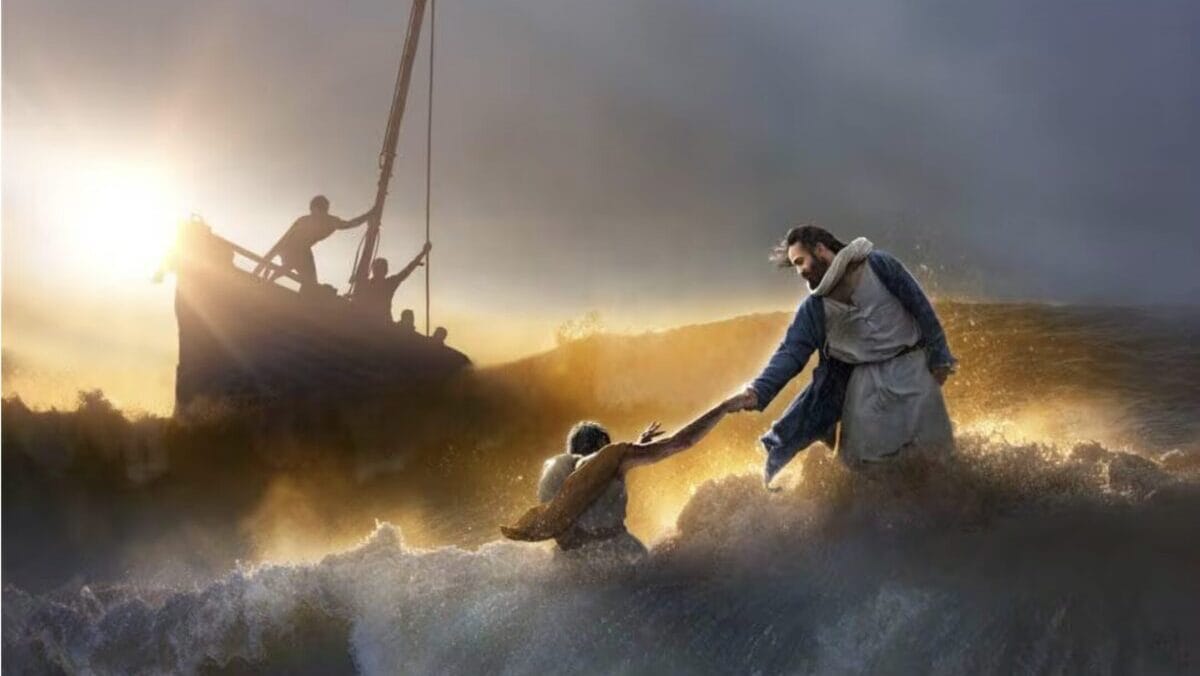
At its core, imagination is the ability to see beyond the obvious, to connect disparate elements in ways that defy logic. It is the artist’s superpower, the tool that allows them to visualize the unseen and bring it into being. For example, a painter might imagine a stormy sea not as a literal representation but as a metaphor for inner turmoil. A sculptor might shape a block of stone into a figure that embodies resilience, drawing from their own struggles and triumphs. Imagination transforms the ordinary into the extraordinary, elevating art from a mere craft to a medium of emotional and intellectual depth.
The Tools of Transformation: From Tools to Extensions of the Self
While imagination is the driving force behind artistic creation, tools are its faithful companions, translating abstract ideas into tangible forms. The choice of tools—whether a paintbrush, a chisel, a camera, or a digital stylus—can profoundly influence the final work. Yet, the most skilled artists do not view their tools as mere instruments; they see them as extensions of themselves, extensions that allow their imagination to flow without obstruction.
For painters, the brush becomes an extension of their hand, a conduit for the emotions and thoughts that surge through their minds. The texture of the canvas, the viscosity of the paint, and the pressure of the stroke all play a role in shaping the outcome. Sculptors, on the other hand, interact with their materials in a more tactile manner, feeling the resistance of the stone or the pliability of the clay as they coax a form into existence. Even in digital art, where the tools are intangible, the artist’s connection to their medium is just as intimate. The digital brushstroke, the layering of colors, and the manipulation of light all become part of a seamless creative process.
It is worth noting that the tools themselves need not be expensive or sophisticated to be effective. Many legendary artists, from Vincent van Gogh to Frida Kahlo, created masterpieces with humble materials. What matters is not the cost or complexity of the tools but the artist’s relationship with them. A simple pencil can become a vessel for the deepest expressions of the soul when wielded with intention and passion.
The Process: Navigating the Creative Journey
The journey from a blank canvas to a completed masterpiece is rarely linear. It is a winding path filled with moments of inspiration, doubt, frustration, and breakthrough. Understanding this process can help artists navigate the challenges and embrace the uncertainties that come with creation. While every artist’s journey is unique, there are common stages that many experience when transforming imagination into art.
The Initial Spark: Inspiration and Intention
The first step in the creative process is often the hardest—finding that initial spark of inspiration. This spark can come from anywhere: a fleeting emotion, a memory, a conversation, or even a dream. Some artists rely on external stimuli, such as nature or literature, while others draw from their inner worlds, mining their subconscious for ideas. Setting an intention at this stage can provide direction. Whether it is to convey a specific emotion, explore a theme, or simply experiment with a new technique, having a guiding purpose can help focus the imagination.
The Exploration: Experimentation and Play
Once the spark is lit, the next phase is one of exploration and experimentation. This is where the artist steps into the unknown, allowing their imagination to guide them through uncharted territory. It is a time for play, for taking risks, and for embracing the unexpected. Artists often describe this stage as the most exhilarating—and the most terrifying—because it requires letting go of control and surrendering to the creative flow. Sketches may be abandoned, colors mixed in ways that seem wrong, and forms distorted beyond recognition. Yet, it is through this process of trial and error that breakthroughs occur, and new ideas emerge.
The Struggle: The Dark Night of the Soul
No creative journey is without its obstacles, and every artist will encounter moments of doubt and frustration. This is the stage where the blank canvas seems to mock them, where the vision in their mind refuses to materialize, and where self-criticism rears its ugly head. It is the artist’s equivalent of the “dark night of the soul,” a phase where perseverance is tested. During these times, it is crucial to remember that struggle is not a sign of failure but a natural part of the creative process. It is often in these moments of resistance that the most profound growth occurs, as the artist learns to trust their instincts and push through their limitations.
The Revelation: The Emergence of the Masterpiece
If the artist persists through the struggle, they may arrive at the final stage: revelation. This is when the chaos of experimentation coalesces into clarity, and the masterpiece begins to take shape. It is a moment of profound satisfaction, where the artist looks at their work and recognizes something of themselves within it. The masterpiece may not resemble the initial vision in every detail, but it will embody the essence of what was imagined. It is a testament to the artist’s journey, a physical manifestation of their imagination brought to life.
Cultivating the Imaginative Mindset
The ability to transform a blank canvas into a soulful masterpiece is not solely dependent on skill or technique; it is deeply rooted in mindset. The way an artist perceives the world, processes emotions, and approaches their craft shapes the outcome of their work. Cultivating an imaginative mindset involves nurturing curiosity, embracing vulnerability, and developing resilience. Here are some key principles to consider:
- Embrace Curiosity: Stay open to new experiences, ideas, and perspectives. Curiosity fuels imagination by encouraging exploration beyond the familiar. Ask questions, seek inspiration in unexpected places, and allow yourself to be surprised by the world around you.
- Practice Mindfulness: Imagination thrives in a mind that is present and attentive. Mindfulness—whether through meditation, nature walks, or simply observing the world with intention—can sharpen your ability to see the extraordinary in the ordinary. It also helps quiet the noise of self-doubt, allowing your creative voice to emerge more clearly.
- Embody Vulnerability: Creating art requires exposing a part of yourself to the world, which can feel daunting. Vulnerability is not a weakness but a strength; it is the courage to share your inner world, flaws and all. When you allow yourself to be vulnerable, your art becomes more authentic and resonant.
- Develop Resilience: The creative process is unpredictable, and setbacks are inevitable. Resilience is the ability to bounce back from failure, to see challenges as opportunities for growth, and to keep moving forward even when the path is unclear. Remember that every masterpiece began as a flawed attempt—what matters is the willingness to keep trying.
- Surround Yourself with Inspiration: Feed your imagination by surrounding yourself with art, music, literature, and people who inspire you. Visit galleries, read books, listen to podcasts, and engage in conversations that challenge and excite you. Inspiration is contagious, and the more you expose yourself to it, the more it will shape your creative output.
The Legacy of the Soulful Masterpiece
When a masterpiece is born from the alchemy of imagination, it transcends its physical form to become something greater—a vessel of emotion, a bridge between the artist and the viewer, and a legacy that endures beyond the creator’s lifetime. The soulful masterpiece does not merely decorate a space; it transforms it, evoking memories, sparking conversations, and inspiring new ideas. It carries the artist’s essence, a silent dialogue between the creator and those who engage with the work.
Consider the impact of iconic artworks like Leonardo da Vinci’s *Mona Lisa* or Edvard Munch’s *The Scream*. These pieces have captivated audiences for centuries not because of their technical perfection alone, but because they resonate on a deeply human level. They evoke questions, emotions, and interpretations that vary with each viewer, making them timeless. This is the power of a soulful masterpiece: it connects us to something universal within ourselves.
For the artist, the creation of a masterpiece is an act of alchemy—a process of turning the intangible into the tangible, the invisible into the visible. It is a journey of self-discovery, a testament to the human capacity for imagination and expression. Whether the work is displayed in a grand museum or tucked away in a private collection, its true value lies in the emotions it evokes and the stories it inspires.
Conclusion: The Blank Canvas as a Mirror of the Soul
The blank canvas is more than just a surface waiting to be filled; it is a mirror reflecting the depths of the artist’s soul. It is a space where imagination takes flight, where emotions crystallize into form, and where the intangible becomes tangible. The alchemy of turning this emptiness into a masterpiece is a journey of courage, curiosity, and vulnerability—a journey that every artist must undertake for themselves.
So the next time you stand before a blank canvas, remember that it is not an absence but a beginning. It is an invitation to explore the unknown, to challenge your limits, and to bring something new into the world. Whether your creation is bold and chaotic or quiet and contemplative, it will carry a piece of you—your dreams, your struggles, your triumphs. And in that act of creation, you will discover the true magic of art: the power to transform not just a canvas, but yourself.